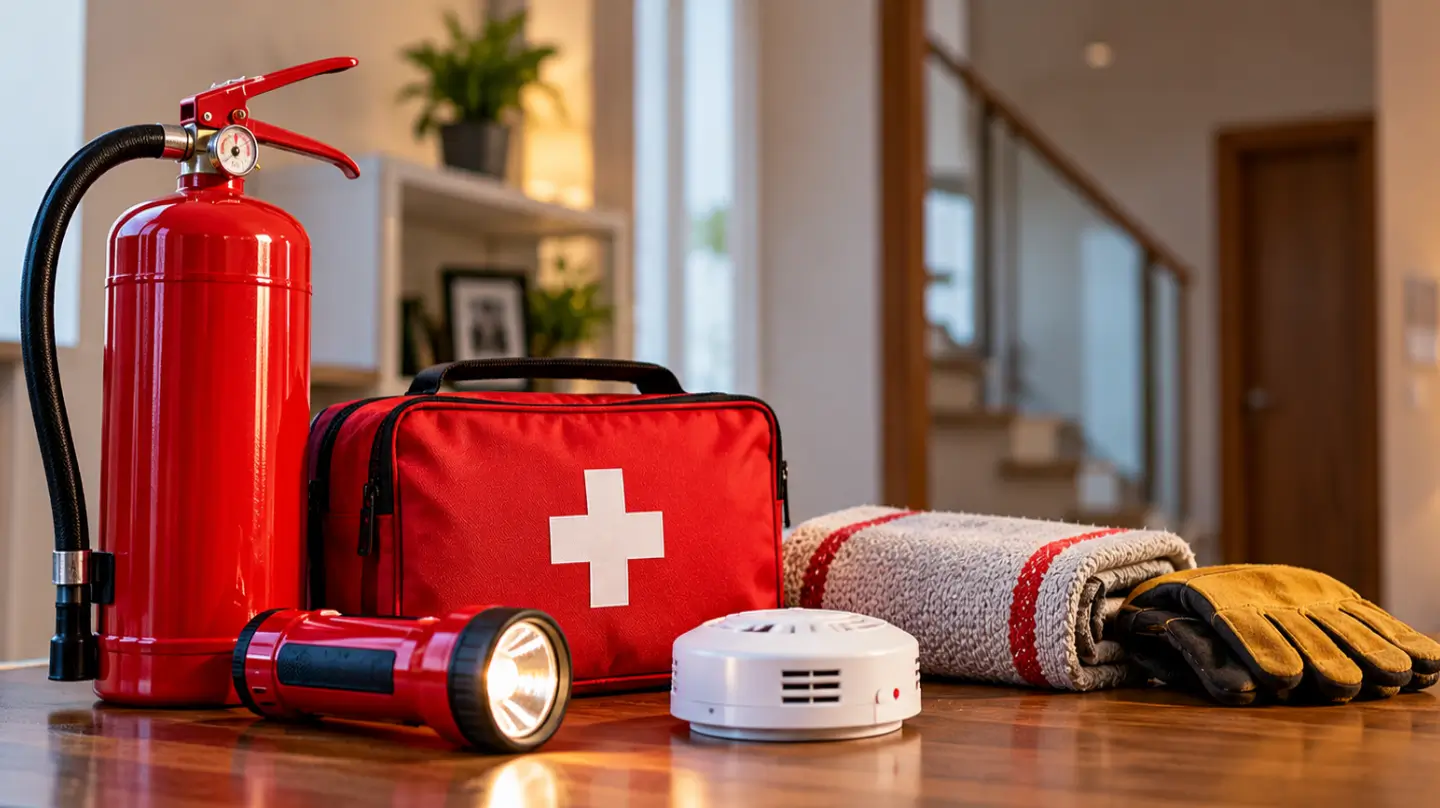
A sudden power cut can turn your well-acquainted cosy home into an unfamiliar space. A dark staircase, an inactive security system or an appliance left running can create risks that are easy to overlook when the lights go out. While most households are accustomed to occasional outages, few consider what could go wrong during those minutes or hours without electricity. Understanding home safety during power outage situations is not just about keeping a torch handy. It is about knowing which precautions to take, what to avoid and how to keep everyone at home safe until the power returns.
What Are the Hidden Risks When the Lights Go Out?
Poor visibility around the house
Dark hallways, staircases and cluttered walkways increase the risk of trips and falls, particularly for children and older adults. Keep rechargeable torches or battery-operated lights in accessible locations. Avoid moving around unfamiliar or poorly lit areas without a reliable light source.
Electrical appliances left unattended
When the electricity supply is interrupted, appliances such as irons, heaters and cooking equipment may remain switched on. Turn them off during an outage to prevent unexpected operation when power is restored. Practising electrical safety during power cuts also means avoiding exposed wires, damaged sockets and attempts to repair electrical faults without a qualified electrician.
Security systems going offline
Some home security cameras, alarms and electronic access systems depend on continuous electricity. Check whether your security equipment has backup power and whether it remains operational during an outage. Keep doors and windows secured, and ensure household members know how to access the home safely if electronic locks stop working.
How Can You Keep Your Household Prepared?
Unsafe use of candles and alternative lighting
Candles may seem like a convenient solution, but unattended flames can ignite curtains, paper or other combustible materials. Choose torches or rechargeable emergency lights wherever possible. If candles are used, keep them in stable holders, away from flammable objects, and extinguish them before leaving the room or sleeping.
Overlooking children and elderly family members
A power cut can be particularly unsettling for young children and older adults with limited mobility. Keep essential medicines, drinking water and communication devices within easy reach. Make sure pathways are clear and provide assistance when moving around dark areas. Explain the situation calmly to children so they do not panic or wander unsupervised.
Food spoilage and disrupted essential devices
Repeatedly opening the refrigerator allows cold air to escape, potentially affecting stored food during a prolonged outage. Keep its doors closed as much as possible. If anyone at home relies on electrically powered medical equipment or temperature-sensitive medication, arrange suitable backup support in advance and seek professional guidance on specific requirements.
Unsafe use of generators and inverters
Generators can provide backup electricity, but improper placement can expose household members to carbon monoxide, a dangerous, odourless gas. Always operate fuel-powered generators outdoors, away from doors, windows and ventilation openings. Never connect a generator directly to household wiring without an appropriately installed transfer system handled by a qualified professional.
Conclusion
A safer response begins well before an outage occurs. Keep emergency lights charged, store essential supplies together and discuss a simple household response plan with everyone. These power outage safety tips can make unexpected disruptions easier to manage, while regular checks strengthen home emergency preparedness.
Hestios encourages households to treat safety as a daily responsibility rather than an emergency reaction. A little preparation can help prevent avoidable accidents, protect essential equipment and make home safety during power outage situations more manageable. Start by checking your home today. Is everyone prepared for the next unexpected blackout?
FAQs
What should I keep ready for a sudden power cut?
Keep torches, charged emergency lights, a power bank, drinking water, essential medicines and a basic first-aid kit in an accessible place.
Should I unplug appliances during a power cut? Switch off and unplug sensitive or high-power appliances where safe to do so, reducing the risk of damage from voltage fluctuations when electricity returns.
Is it safe to use a generator indoors? No. Fuel-powered generators must only be operated outdoors in a well-ventilated area, away from doors, windows and air vents.
How can I protect elderly family members during an outage?
Keep walking routes clear, provide accessible emergency lighting and ensure essential medicines, mobility aids and communication devices are readily available.
What should I do when electricity returns?
Switch appliances on gradually, check for unusual smells, sparks or damaged wiring, and contact a qualified electrician if you notice any electrical fault.
Recent Posts
Popular
July 29, 2026
What Makes Everyday Stairs Riskier for an Ageing Parent?