How to Build a Personal Emergency Backup When Everyday Plans Go Wrong
A missed cab, a dead phone battery or an unexpected road closure can quickly turn an ordinary day into a stressful situation. While these disruptions may seem minor, they can become more challenging when you are alone, travelling late or unable to reach someone for help. Having an emergency backup plan means knowing what to do when your usual arrangements fail. It is not about expecting the worst but preparing for situations that can interrupt your routine. With a few practical arrangements, you can reduce uncertainty, make informed decisions and respond more confidently when everyday plans go wrong.
What Happens When Your Usual Safety Net Fails?
When you cannot reach someone
Imagine your phone runs out of battery while you are travelling, and you need to inform your family about a delay. Keep a written list of important phone numbers in your wallet and identify a trusted person who can help during an unexpected situation. Agree on an alternative way to communicate if your primary messaging app or phone is unavailable.
When your regular commute is disrupted
Transport delays, cancelled services or unfamiliar routes can leave you stranded. Identify alternative transport options before travelling, save important addresses offline and keep enough money for an unexpected journey. If you are travelling alone, share your route and estimated arrival time with someone you trust.
How Can You Create a Reliable Personal Backup?
Keep essential items within reach
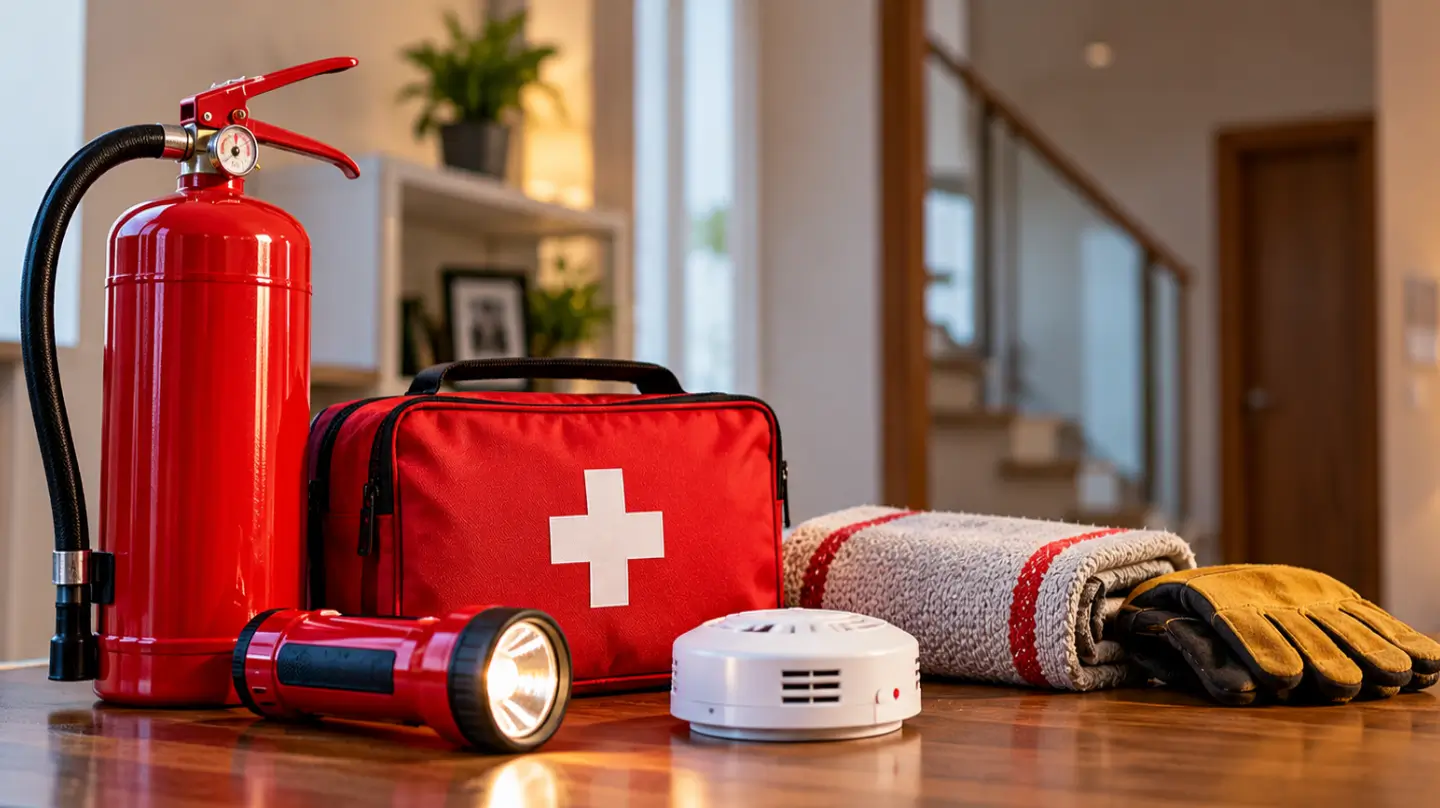
A small emergency pouch can make unexpected delays easier to manage. Include a power bank, charging cable, basic first-aid supplies, essential medicines if required, a little cash, drinking water and a torch. Review its contents regularly, replace expired items and adjust the supplies according to your routine.
Decide where to go if plans change
A familiar meeting point can be useful when you become separated from family or friends, especially in crowded places or during communication disruptions. Choose a safe, accessible location and agree on an alternative if it becomes unavailable. Your personal emergency plan should also account for children, older family members or anyone who may need additional assistance.
Protect access to important information
Keep digital and physical copies of essential information, such as identification details, emergency contacts, important addresses and relevant insurance information. Use secure storage for digital records and avoid sharing sensitive details unnecessarily. Make sure a trusted person knows how to access essential information if you are unable to do so yourself.
Prepare for situations specific to your routine
Someone working late shifts may need a different backup from someone who travels frequently or lives alone. Consider the situations most likely to disrupt your day, including unexpected weather, transport breakdowns or temporary loss of communication. This approach makes personal emergency preparedness practical and relevant instead of relying on a generic list of supplies.
Review and practise your arrangements
Preparation is useful only when it works in real situations. Check whether your emergency contacts are current, your power bank is charged, and your alternative routes are still accessible. Hestios encourages households and individuals to review their emergency preparedness plan periodically and discuss possible scenarios with people they trust.
Conclusion
You do not need an elaborate survival kit to feel more prepared. Start with a few arrangements that address the disruptions you are most likely to face, then build on them over time. Hestios promotes a practical approach to safety, where small, consistent actions can make a difference. A well-thought-out emergency backup plan gives you a clearer way forward when familiar routines no longer work.
FAQs
What should a personal emergency backup include?
It should include emergency contacts, alternative travel arrangements, essential supplies, access to important information and a clear way to seek help.
How much money should I keep for an unexpected emergency? Keep an affordable amount of accessible cash based on your routine, likely transport costs and immediate needs, without carrying more than necessary.
How can I prepare if my phone stops working?
Keep important numbers written down, save essential information offline and agree on an alternative meeting point or communication method with trusted contacts.
How often should I update my emergency arrangements? Review them every few months and whenever your commute, workplace, living arrangements or emergency contacts change.
Should people living alone have a backup plan?
Yes. They can identify trusted contacts, share essential information securely, establish regular check-ins and arrange alternative transport or assistance if needed.
Recent Posts
Popular
July 29, 2026
What Makes Everyday Stairs Riskier for an Ageing Parent?