
July 29, 2026
What Makes Everyday Stairs Riskier for an Ageing Parent?




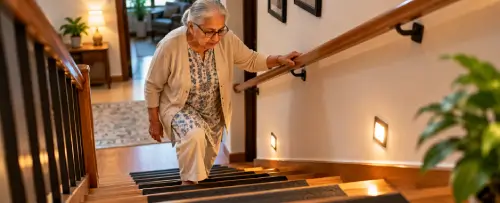
Stairs are a familiar part of everyday life, which is why their risks can easily go unnoticed. However, as parents grow older, changes in balance, muscle strength, joint movement and vision can make climbing or descending stairs more difficult. A staircase that once felt easy to use may gradually become a place where a minor misstep can lead to a serious fall. Understanding the common risks and making a few practical adjustments can improve stair safety for elderly family members while helping them remain independent at home.
Ageing can affect the physical abilities needed to use stairs safely. Reduced leg strength may make it harder to lift the feet onto each step, while joint stiffness can affect movement and balance. Changes in eyesight may also make it difficult to judge step depth, particularly in dimly lit areas.
These changes do not affect everyone in the same way. However, when combined with loose footwear, clutter or a lack of support, they can increase the risk of losing balance. Families should pay attention to signs such as hesitation before using stairs, holding onto walls for support or avoiding the staircase altogether.
Certain everyday conditions can make staircases more difficult and unsafe for older adults to use. Families should check for the following hazards:
Addressing these hazards is an important part of senior fall prevention at home, particularly for older adults who use stairs several times a day.
Improving staircase safety does not always require major renovation. Ensure the staircase is well-lit, with switches that are easy to reach at both ends. Keep every step clear of household items and check that carpets or stair coverings are securely fixed. Handrails should be stable, easy to grip and positioned to provide support throughout the staircase.
Encourage older adults to wear well-fitting footwear with non-slip soles and to avoid rushing while using the stairs. Frequently used items can be kept on the same floor to reduce unnecessary trips. If climbing stairs has become painful or difficult, families should consider discussing suitable mobility support with a healthcare professional rather than relying on makeshift solutions. These stair safety tips for seniors can help address common risks while respecting an older person’s comfort and independence.
Stair safety should be reviewed regularly, particularly when an older parent experiences changes in mobility, balance or vision. A staircase that was previously manageable may need additional support over time. Family members can observe how their parent uses the stairs and discuss any difficulties without making them feel that their independence is being taken away.
A safer home is created through practical changes and ongoing attention, not just a one-time assessment. Hestios encourages families to identify potential risks early and make safety improvements that suit their household’s needs.
Preventing stair-related accidents starts with recognising the everyday risks that can become more challenging with age. From improving lighting and securing handrails to keeping staircases free of clutter, small changes can make a meaningful difference to an older person’s safety and confidence. Families should regularly assess their home and address potential hazards before they lead to falls. By prioritising stair safety for elderly family members, households can create safer living spaces where ageing parents can maintain their independence and move around with greater peace of mind.
July 29, 2026
May 26, 2026
February 26, 2026
November 26, 2025